Exercise with Arthritis: A Complete Guide to Moving Without Pain
If you have arthritis, you might think exercise will make things worse. The opposite is true. Regular, appropriate movement is one of the most effective treatments for arthritis—reducing pain, improving function, and slowing disease progression.
Why Exercise Helps Arthritis
Movement delivers nutrients to cartilage, strengthens the muscles that support joints, improves flexibility, and reduces inflammation. People who exercise regularly report less pain and better function than those who remain sedentary.
Best Types of Exercise for Arthritis
Low-Impact Aerobic Exercise
Walking, swimming, cycling, and elliptical machines provide cardiovascular benefits without pounding your joints. Water exercise is particularly effective—buoyancy reduces joint stress while water resistance builds strength.
Strength Training
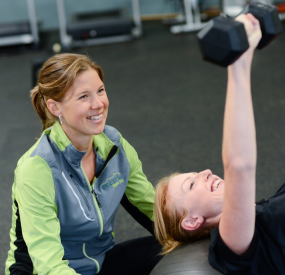
Strong muscles act as shock absorbers for joints. Focus on exercises that strengthen the muscles around affected joints. Resistance bands are ideal because they provide smooth, joint-friendly resistance.
Flexibility and Range of Motion
Gentle stretching maintains joint mobility and reduces stiffness. Move each joint through its full range of motion daily, even on days when you do not do a full workout.
Balance Training
Arthritis increases fall risk. Balance exercises like single-leg stands and heel-to-toe walking help prevent falls and the injuries that can result.
Exercise Guidelines for Arthritis
- Start slowly – Begin with 10-15 minutes and gradually increase
- Warm up thoroughly – Gentle movement before exercise reduces stiffness
- Listen to your body – Some discomfort is normal; sharp pain is not
- Exercise when joints feel best – For many, this is mid-morning after stiffness subsides
- Use heat before, ice after – Heat loosens joints; ice reduces post-exercise inflammation
- Modify as needed – Reduce intensity on flare days, but try to keep moving
Exercises to Approach Carefully
- High-impact activities (running, jumping)
- Exercises that stress affected joints
- Repetitive movements that cause pain
- Heavy weights with poor form
The Two-Hour Pain Rule
If joint pain is worse two hours after exercise than before you started, you did too much. Scale back next time. Some muscle soreness is normal and expected; joint pain that lingers is a signal to modify.
Getting Started
Talk to your doctor or a physical therapist about which exercises are best for your specific type of arthritis and affected joints. Start conservatively and progress gradually. The goal is sustainable, lifelong movement—not pushing through pain.
Movement is medicine. The right dose makes all the difference.