Exercise and Heart Health After 60: What the Science Says
Heart disease remains the leading cause of death for older adults, but it is not inevitable. Regular exercise is one of the most powerful tools for protecting your heart—and it is never too late to start seeing benefits.
How Exercise Protects Your Heart
Physical activity benefits your cardiovascular system in multiple ways:
- Lowers blood pressure – Regular exercise can reduce systolic pressure by 5-8 mmHg
- Improves cholesterol profile – Raises HDL (good) cholesterol and may lower LDL
- Reduces inflammation – Chronic inflammation damages blood vessels
- Improves blood sugar control – Reduces diabetes risk, a major heart disease factor
- Helps maintain healthy weight – Excess weight strains the heart
- Strengthens the heart muscle – A stronger heart pumps more efficiently
- Reduces stress – Chronic stress contributes to heart disease
How Much Exercise Do You Need?
The American Heart Association recommends:
- At least 150 minutes per week of moderate-intensity aerobic activity, OR
- 75 minutes per week of vigorous aerobic activity, OR
- A combination of both
- PLUS muscle-strengthening activities at least 2 days per week
This breaks down to about 30 minutes of moderate activity, 5 days a week. But any amount is better than none—even 10-minute sessions count.
Best Exercises for Heart Health
Aerobic Exercise
Activities that raise your heart rate and breathing:
- Brisk walking
- Swimming
- Cycling
- Dancing
- Water aerobics
Strength Training
Resistance exercise also benefits heart health by improving body composition and metabolic health:
- Resistance bands
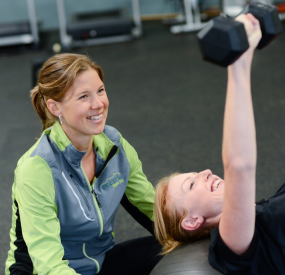
- Light weights
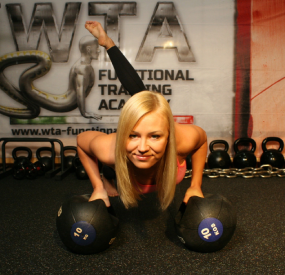
- Bodyweight exercises
- Weight machines
Flexibility and Balance
While not directly cardiovascular, these activities support an active lifestyle:
- Stretching
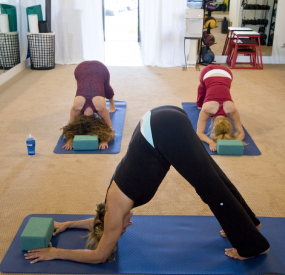
- Yoga
- Tai Chi
Exercise Safely with Heart Conditions
If you have existing heart disease or risk factors:
- Get clearance from your doctor before starting
- Start slowly and progress gradually
- Learn to monitor your intensity (talk test: you should be able to hold a conversation)
- Know the warning signs to stop: chest pain, unusual shortness of breath, dizziness, irregular heartbeat
- Consider cardiac rehabilitation if you have had a heart event
It Is Never Too Late
Research shows that even people who start exercising in their 60s, 70s, or later see significant cardiovascular benefits. One study found that previously sedentary adults who began exercising in middle age had similar heart disease risk as lifelong exercisers.
Your heart does not care about your past. It responds to what you do now.
The Bottom Line
Exercise is medicine for your heart. The dose matters less than consistency. Start where you are, do what you can, and build from there. Your heart will thank you.