How to Prevent Falls: A Comprehensive Guide for Seniors
Falls are not a normal part of aging, and most are preventable. Understanding the risk factors and taking proactive steps can dramatically reduce your chances of falling—and the serious injuries that can result.
Understanding Fall Risk
Falls happen when the demands of a situation exceed your ability to maintain balance. Risk factors include:
Physical Factors
- Muscle weakness, especially in the legs
- Balance problems
- Vision impairment
- Foot problems or improper footwear
- Chronic conditions (arthritis, diabetes, stroke)
Medication Factors
- Sedatives and sleep aids
- Blood pressure medications
- Taking four or more medications
- Recent medication changes
Environmental Factors
- Poor lighting
- Loose rugs and clutter
- Slippery surfaces
- Lack of handrails
- Pets underfoot
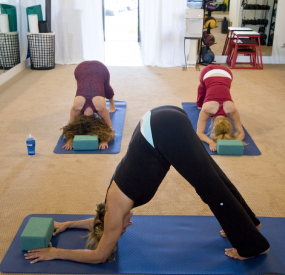
Exercise: Your Best Defense
Regular exercise that includes these components reduces fall risk by 23-50%:
- Strength training – Strong legs provide a stable base
- Balance exercises – Practice challenges your balance system
- Flexibility work – Maintains range of motion for recovery
- Tai Chi – Specifically proven to reduce falls
Home Safety Modifications
Bathroom
- Install grab bars near toilet and in shower/tub
- Use non-slip mats in tub and on floor
- Consider a shower chair or bench
- Ensure adequate lighting
Bedroom
- Keep a lamp within reach of the bed
- Use nightlights for bathroom trips
- Keep phone and flashlight accessible
- Clear path from bed to bathroom
Throughout the Home
- Remove or secure loose rugs
- Keep walkways clear of clutter
- Ensure adequate lighting everywhere
- Install handrails on all stairs
- Secure electrical cords along walls
Other Prevention Strategies
- Review medications with your doctor annually
- Get vision checked yearly and update glasses
- Wear proper footwear – supportive, non-slip soles
- Use assistive devices if recommended – canes and walkers help
- Rise slowly from sitting or lying to prevent dizziness
- Stay hydrated – dehydration affects balance
What to Do If You Fall
If you do fall:
- Stay calm and assess for injuries
- If injured, call for help or use a medical alert device
- If uninjured, roll to your side, get on hands and knees, crawl to sturdy furniture, and use it to help yourself up
- Report all falls to your doctor—even if you were not hurt
The Bottom Line
Falls are not inevitable. With the right combination of exercise, home modifications, and awareness, you can significantly reduce your risk and maintain your independence.