Building Stronger Bones After 60: Exercise Strategies That Work
Osteoporosis affects millions of seniors, increasing fracture risk and threatening independence. But bone loss is not inevitable. The right exercise program can slow bone loss, and in some cases, actually increase bone density—even after 60.
How Exercise Builds Bone
Bones respond to mechanical stress by becoming stronger. When you exercise, muscles pull on bones, and impact forces travel through your skeleton. Your body responds by depositing more minerals and strengthening bone structure.
The key is providing enough stimulus to trigger adaptation without causing injury.
Best Exercises for Bone Health
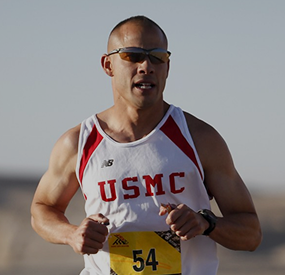
Weight-Bearing Aerobic Exercise
Activities where you support your body weight against gravity:
- Walking (especially brisk walking or hiking)
- Dancing
- Stair climbing
- Low-impact aerobics
- Gardening and yard work
Swimming and cycling, while excellent for cardiovascular health, do not load bones enough to stimulate growth.
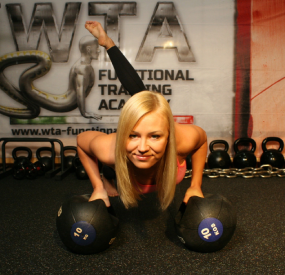
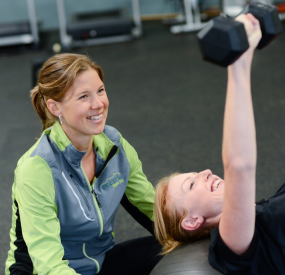
Resistance Training
Strength exercises are particularly effective because muscles pulling on bones creates significant mechanical stress:
- Squats and lunges (load the hip and spine)
- Deadlifts and hip hinges (spine and hip)
- Overhead presses (spine and shoulder)
- Rows and pulls (spine)
Use enough resistance to challenge yourself—light weights with many repetitions are less effective for bone building than moderate weights with fewer reps.
Balance and Posture Exercises
While these do not directly build bone, they prevent the falls that cause fractures:
- Single-leg stands
- Tai Chi
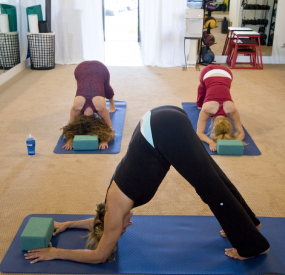
- Yoga (modified for bone safety)
- Posture exercises to prevent kyphosis (rounded upper back)
Exercise Cautions with Osteoporosis
If you have been diagnosed with osteoporosis or osteopenia:
- Avoid forward flexion under load – Crunches and toe touches increase vertebral fracture risk
- Avoid twisting movements under load – Rotation plus compression is risky for the spine
- Progress gradually – Build up slowly to avoid stress fractures
- Work with professionals – A physical therapist can design a safe program
The Complete Bone-Building Program
For optimal bone health, combine:
- Weight-bearing aerobic exercise: 30 minutes, most days
- Resistance training: 2-3 sessions per week, targeting major muscle groups
- Balance training: Daily practice, even if brief
Beyond Exercise
Exercise works best when combined with:
- Adequate calcium intake (1,000-1,200 mg daily)
- Sufficient Vitamin D (1,000-2,000 IU daily)
- Adequate protein for muscle maintenance
- Avoiding smoking and excessive alcohol
The Bottom Line
Your bones are living tissue that responds to how you use them. Challenge them appropriately, and they will rise to meet that challenge. It is never too late to start building stronger bones.